

bathroom vanity led mirror
The Importance of Bore Gauge Dial in Precision Measurement In manufacturing and engineering, precision is fundamental. Every component created for machines, vehicles, or structures must adhere to specific dimensions and tolerances to ensure functionality and safety. One indispensable tool in achieving this level of accuracy is the bore gauge dial. This instrument plays a crucial role in measuring the internal diameters of cylindrical objects, such as pipes, holes, and lenses, ensuring they meet the required specifications. What is a Bore Gauge Dial? A bore gauge dial, often referred to simply as a bore gauge, is a specialized measuring tool designed to determine the internal diameter of a bore or hole. Unlike standard calipers or micrometers, which might only measure the external dimensions, a bore gauge can provide exact readings for measurements that are not easily accessible. The device consists of a dial indicator mounted on a probe, with a set of expandable arms or a mechanical probe that fits inside the bore. By adjusting the probe to fit snugly against the internal surface, users can read the measurement directly from the dial. Types of Bore Gauges There are several types of bore gauges, each suited for different applications. The most common types include 1. Mechanical Bore Gauges These utilize a mechanical system to read measurements directly from a dial. They are often favored for their simplicity and ease of use, as no complex electronic systems are involved. 2. Electronic Bore Gauges These advanced versions feature digital displays for precise readings, often with enhanced features such as data logging and connectivity options. Electronic gauges can significantly improve measurement accuracy and ease of data transfer. 3. Tapered Bore Gauges Used specifically for tapered holes, these gauges can measure the diameter at different depths, essential for applications requiring a precise fit. 4. Variable Dimension Bore Gauges These are customizable to different sizes, making them versatile for measuring various bore sizes without needing multiple tools. bore gauge dial Applications of Bore Gauge Dial Bore gauge dials are indispensable in various industries, including automotive, aerospace, and manufacturing. For instance, in the automotive industry, they are employed to ensure the proper fit of piston rings within engine cylinders. Similarly, in the aerospace sector, precise measurements of holes in structural components are critical in ensuring safety and performance. Another application is in the inspection of machined parts, where tolerances can be tight. Using a bore gauge helps inspectors verify whether parts meet the stringent guidelines outlined in engineering specifications. This capability ensures that only components that conform to quality standards proceed through the production process. Benefits of Using Bore Gauge Dials One of the primary benefits of using a bore gauge dial is the accuracy it provides. These tools can measure within microns, ensuring that even the smallest deviations from specifications are detected. This precision minimizes waste and rework, promoting efficiency and cost-effectiveness in production. Additionally, bore gauges are relatively easy to use, even for those who may not be experts in measurement techniques. The simplicity of reading the dial allows for quick assessments without requiring extensive training. Conclusion In conclusion, the bore gauge dial is a critical instrument in the landscape of precision measurement. By providing accurate readings of internal diameters, it supports various industries in maintaining quality standards and ensuring efficient manufacturing processes. As technology evolves, the integration of electronic systems into bore gauge design offers exciting possibilities for enhanced functionality and user experience. As industries continue to prioritize accuracy and efficiency, the bore gauge dial will undoubtedly remain a key player in the tools used for precision measurement.
about
bathroom vanity led mirror
The Importance of Granite Inspection Plates in Precision Engineering Granite inspection plates are an essential tool in the field of precision engineering and metrology. These plates provide a stable and flat surface that is crucial for various inspection and measurement tasks. This article explores the significance of granite inspection plates, their applications, and the reasons behind their popularity in manufacturing and engineering processes. What are Granite Inspection Plates? Granite inspection plates are flat surfaces made from natural granite stone, known for their exceptional hardness and stability. The granite used in these plates is sourced from specific regions, particularly where the stone is dense and uniform. The plates are precisely machined to achieve a high degree of flatness and surface finish, ensuring that they can serve as a reliable reference point for measurements. Advantages of Granite Inspection Plates 1. Stability and Rigidity Granite is an incredibly stable material that resists deformation even under heavy loads. This property makes granite inspection plates ideal for use in high-precision environments where even the slightest warping can lead to measurement errors. 2. Flatness and Surface Finish Granite plates are meticulously ground and lapped to achieve a flatness tolerance that meets strict specifications. This precision is critical for applications in quality control and testing, where accurate measurements are paramount. 3. Thermal Stability Granite has a minimal coefficient of thermal expansion, meaning that its dimensions remain nearly unchanged with temperature fluctuations. This thermal stability is vital in environments where temperature control is challenging, ensuring that measurements remain consistent. 4. Durability Granite is resistant to scratching and wear, which contributes to the longevity of inspection plates . Unlike softer materials that may degrade over time, granite inspection plates can maintain their performance over many years with proper care. granite inspection plate 5. Chemical Resistance Granite's natural properties make it resistant to many chemicals, oils, and solvents commonly found in industrial settings. This resistance ensures that the surface of the inspection plate remains intact and unaffected, preserving its precision over time. Applications in Industry Granite inspection plates are widely used across various sectors, including aerospace, automotive, and manufacturing. Some specific applications include - Measurement and Calibration Engineers and technicians use granite plates as reference surfaces for calibrating measuring instruments such as gauges, micrometers, and CMM (Coordinate Measuring Machines). - Assembly and Machining In manufacturing, granite plates provide a stable platform for assembling precision components. They can be used during machining processes to ensure that parts are accurately aligned and positioned. - Quality Control Quality assurance teams utilize granite plates to perform inspections and audits on manufactured products. These plates serve as a benchmark against which dimensional tolerances and specifications can be verified. - Tool and Die Making In the tool and die industry, granite plates are crucial for the layout and inspection of molds and dies, ensuring that they meet tight tolerances needed for production. Conclusion Granite inspection plates are indispensable assets in the realm of precision engineering. Their unmatched stability, durability, and resistance to environmental factors make them the preferred choice for many applications that require stringent measurement standards. As industries continue to evolve and demand even higher levels of accuracy, the role of granite inspection plates will only grow in importance. Investing in high-quality granite inspection plates is a decision that pays dividends in the form of enhanced quality control, improved operational efficiencies, and ultimately, greater customer satisfaction.
-

High quality industrial productsagement

High quality industrial products
View Details -

Meet the diverse needs of customers

Meet the diverse needs of customers
View Details -

Strict quality control

Strict quality control
View Details -

Top raw materials

Top raw materials
View Details -

Trusted supplier

Trusted supplier
View Details
Our application


news and information

Welding Inspection Measurement Tool for Quality Assurance and Precision Assessment
Welding Inspection Ruler An Essential Tool for Quality Assurance in Welding Welding is a critical pr
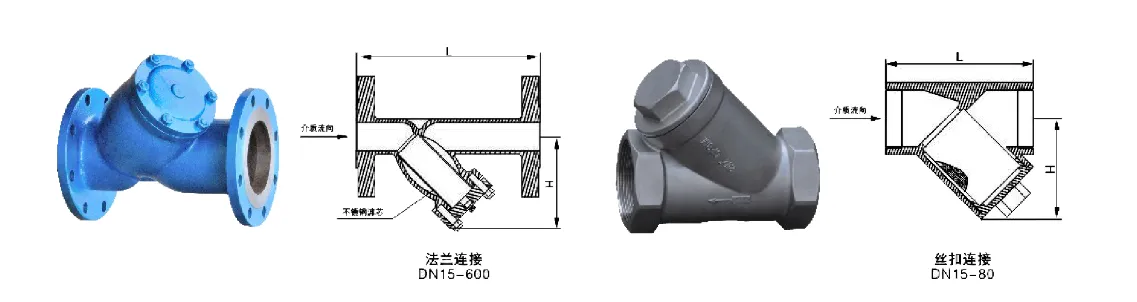
Various Types of Non-Return Valves and Their Applications in Fluid Control
Understanding Non-Return Valve Types Non-return valves, also known as check valves, play a crucial r
Using a Level to Create Accurate Markings on a Ruler
marking ruler with spirit level .
 English